
Last Updated on September 8, 2026
AI has changed marketing for businesses. But with hundreds of tools launching every month, it is hard to know which ones are worth paying for. These are the AI marketing tools UK businesses are actually finding useful in 2026.
The AI marketing landscape is noisy. Every tool claims to automate your marketing, generate content at scale, and replace your agency. Most of them produce mediocre output that still needs heavy editing, or automate tasks that were not worth doing in the first place.
This guide cuts through the noise. These are the AI tools that actually help UK businesses save time and improve quality, tested against real-world marketing tasks.
Note: AI tools are assistants, not replacements. They accelerate work that a human directs. If you do not know what good marketing looks like, an AI tool will not teach you. It will just help you produce mediocre content faster. Learn the fundamentals first. Use AI to scale what already works.
The Whito stage check
Top AI marketing tools UK businesses are using
| Tool | Primary Use | Starting Price | Best For |
|---|---|---|---|
| ChatGPT (OpenAI) | Content drafting, brainstorming, research | Free / £20/mo for Plus | General-purpose writing and ideation |
| Claude (Anthropic) | Long-form content, analysis, strategy | Free / £18/mo for Pro | Detailed writing, complex analysis |
| Jasper | Marketing copy at scale | £39/mo | Teams needing brand-consistent copy |
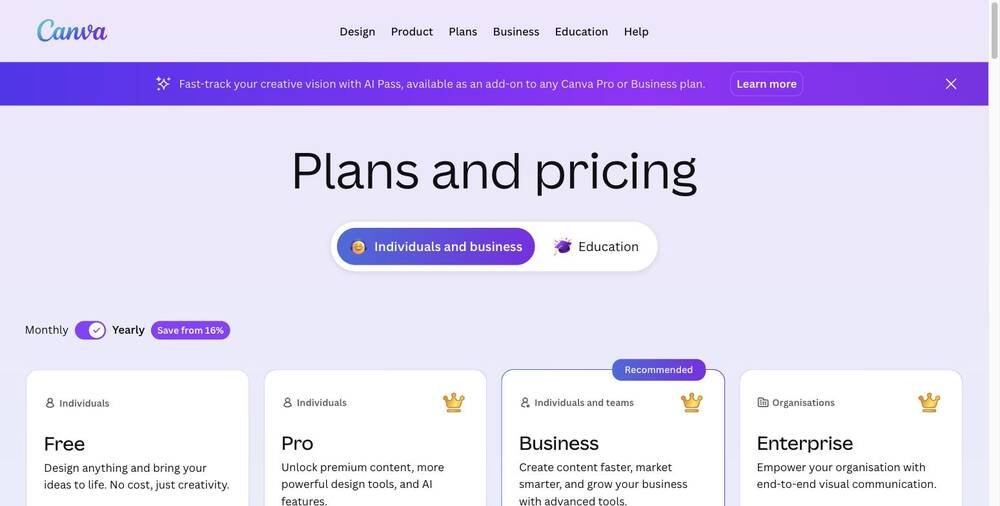
| Canva AI | Design generation and editing | Free (limited) / £13/mo Pro, or £100 a year | Quick social media graphics, presentations |
| Surfer SEO | AI-assisted SEO content optimisation | £79/mo on annual billing | Content teams optimising for search |
| Descript | AI video and podcast editing | Free (limited) / £24-35/mo by billing period | Video content, podcast production |
| Grammarly | Writing quality and tone | Free / £12/mo Pro (renamed from Premium), annual billing | Proofreading, brand voice consistency |
ChatGPT and Claude: The all-Rounders
For most UK businesses, a general-purpose AI assistant is the most useful starting point. ChatGPT and Claude can both draft blog posts, write email sequences, brainstorm content ideas, summarise research, create social media captions, and help with strategic thinking.
The most effective AI marketing tools UK businesses use focus on content creation, SEO, and data analysis.
The free tiers of both are surprisingly capable. The paid versions offer faster responses, more sophisticated reasoning, and longer context windows for complex tasks.
The key to getting good output is good input. Vague prompts produce vague content. Specific briefs with context about your audience, tone, and goals produce usable drafts that need minimal editing.
Canva AI: Design without a designer
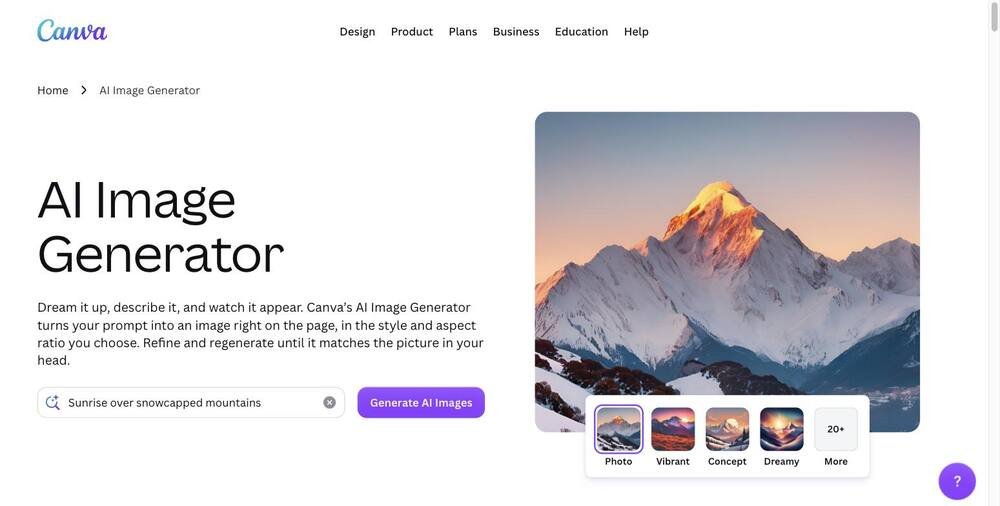
Canva has integrated AI features throughout its platform. Magic Design generates layouts from text prompts. Background removal and image generation are built in. For UK businesses without a graphic designer, Canva AI turns basic ideas into professional-looking social media posts, presentations, and marketing materials in minutes.
The free tier handles most basic needs. Pro at £10 per month unlocks brand kits, premium templates, and full AI features. For the quality of output, it is exceptional value.
Surfer SEO: AI-guided content optimisation
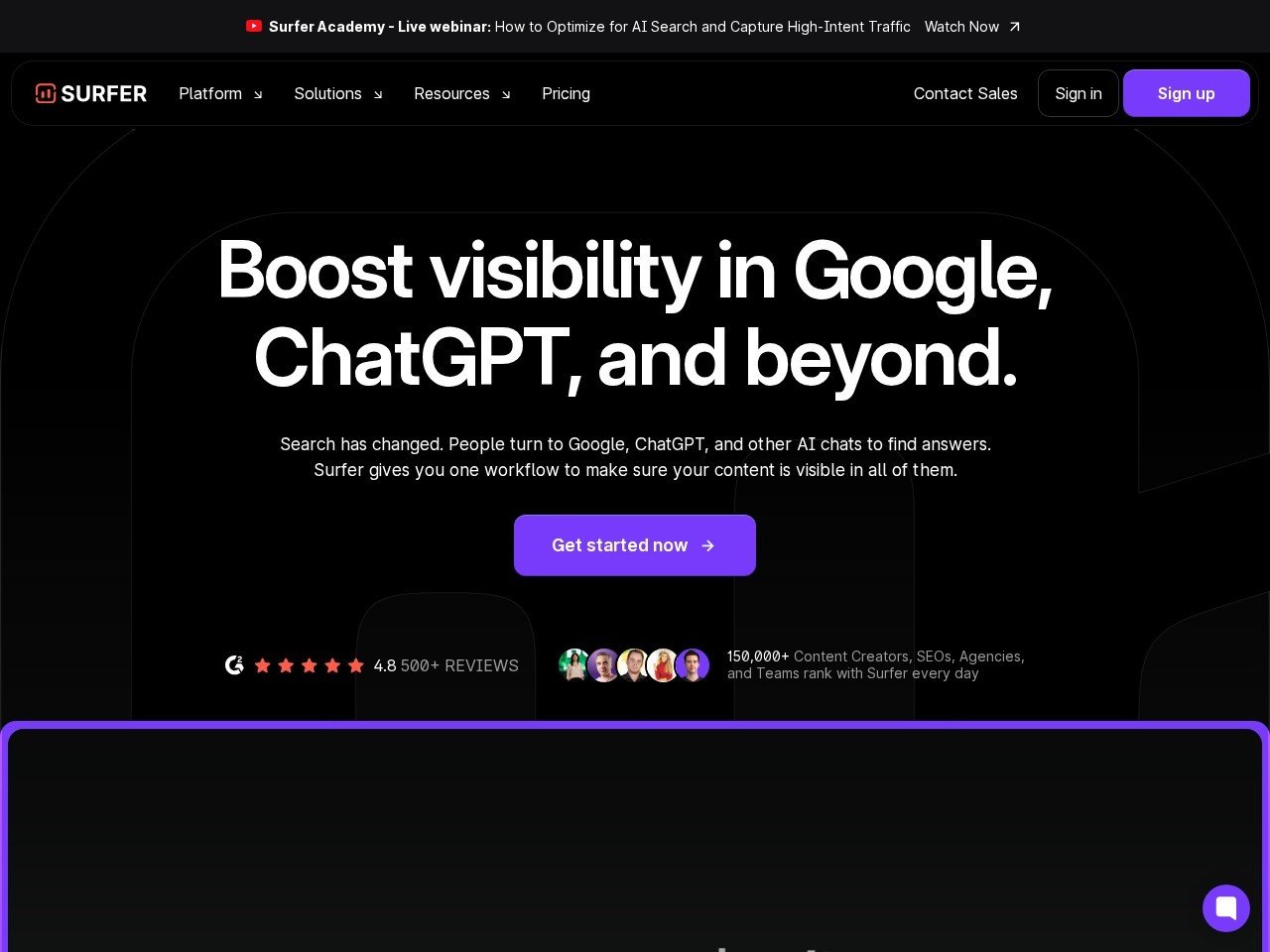
Surfer analyses top-ranking content for your target keywords and provides a content score based on structure, keyword usage, and comprehensiveness. Its AI writing assistant can generate content outlines and drafts optimised for specific search terms.
It is most useful for businesses that publish regular SEO content and want to ensure each piece is structured to compete. At £69 per month, it is a serious investment for businesses but pays for itself if you are producing two or more SEO-focused articles per month.
Where AI tools fall short
AI tools struggle with genuine expertise and original thinking. They can assemble information but they cannot share first-hand experience or form novel opinions. Content that relies on your specific knowledge, industry insight, or client stories cannot be fully automated.
They also produce content that can sound generic if not carefully directed. The risk of AI-generated content is not that it is bad. It is that it sounds like everything else. Differentiation still requires a human perspective.
Note: Google has stated that AI-generated content is not inherently penalised, but content must demonstrate experience, expertise, authoritativeness, and trustworthiness (E-E-A-T). Generic AI output that adds nothing new to a topic will struggle to rank. Always add your own expertise and perspective.
How to start using AI in your marketing
Start with one tool. ChatGPT or Claude, free tier. Use it for one specific task: drafting email newsletters, creating social media captions, or brainstorming blog topics. Get comfortable with prompting. Develop a workflow. Then expand to other tools as specific needs arise.
Do not buy five AI subscriptions at once. Most of the value comes from one general-purpose tool used well, not five specialist tools used poorly.
The UK reality check
| ChatGPT | Claude | Canva AI | Surfer SEO | Grammarly | |
|---|---|---|---|---|---|
| Billed in | USD | USD | GBP | USD | USD |
| VAT | Added at checkout | Added at checkout | Added at checkout | Add 20% | Add 20% |
| Entry price today | About £16 plus VAT | About £14 to £17, annual | £13 a month or £100 a year | About £79 a month, annual | About £10 to £12, annual, now called Pro |
| Trap to know | Price displayed excludes VAT | Annual billing is the advertised price | Included in Pro, not a separate buy | Monthly billing is about 25% dearer | Premium tier was renamed, old reviews mislead |
AI tool questions UK businesses actually ask
Which single AI tool should a business pay for first?
Are these prices in pounds?
Do I need Jasper if I already pay for ChatGPT?
Can AI content hurt my SEO?
How do I stop AI subscriptions stacking up?
The bottom line
AI tools make good marketers faster. They do not make non-marketers good. Use them to accelerate tasks you already understand. Start free. Add paid tools only when the time savings justify the cost. Keep your own voice and expertise at the centre of everything you publish.
Want to know if AI recommends your business?
The Whito Visibility Check tests whether ChatGPT, Gemini, Copilot and Google AI recommend you, and gives you prioritised fixes. Free. No card, no obligation.
See how real UK businesses do this well
Our Stolen With Pride series breaks down smart marketing moves from real UK businesses. No theory, just practical ideas you can use. See how Surreal Cereal turned LinkedIn into a free marketing channel, how Bloom & Wild’s email opt-out built more loyalty than any campaign, and more.
Pricing reviewed June 2026. Tools change their prices often, so always confirm the current figure on the vendor site before you buy.
Frequently asked questions
Which AI marketing tool is best for a UK business?
It depends on the job: writing assistants help with drafts, while other tools focus on images, ads, or email. Rather than chasing the newest name, pick one that removes a real bottleneck in your week. The best AI tool is the one that saves you time on a task you already do, not one that invents new busywork.
Is the free version of an AI tool enough?
Many AI tools offer a free tier or trial credits that are fine for occasional use. You typically pay once you need higher usage limits, better output quality, or brand controls. Try free first, and only subscribe when a tool has clearly earned a regular slot in your workflow.
How much should I expect to pay for AI marketing tools?
Pricing is usually monthly, often based on usage, words, or credits, starting from around a modest fee for light use. Costs can creep up if you stack several tools, so review your subscriptions regularly. One capable tool you use daily often beats three you barely touch.
Is it safe to put my business data into AI tools?
Treat AI output as a draft to check, never the final word, and avoid pasting in confidential client or personal data without knowing how it is stored. Check the provider’s data and UK GDPR stance before relying on it. Used carefully, AI is a fast assistant; used blindly, it is a liability.