
Last Updated on September 30, 2026
Most UK businesses choose an e-commerce platform based on popularity.
That is not how you should decide.
The platform you choose affects:
- Margins
- Scalability
- SEO potential
- Operational complexity
- Long-term flexibility
Choose wrong and growth becomes friction.
Choose right and scaling becomes smoother.
The Whito stage check
The real decision
Are you:
- Product-first and growth-focused?
- Content-led with ecommerce added on?
- Technical and hands-on?
- Or non-technical and speed-driven?
Different platforms solve different problems.
There is no universal winner.
Only stage-appropriate choices.
The main ecommerce platforms compared
Shopify
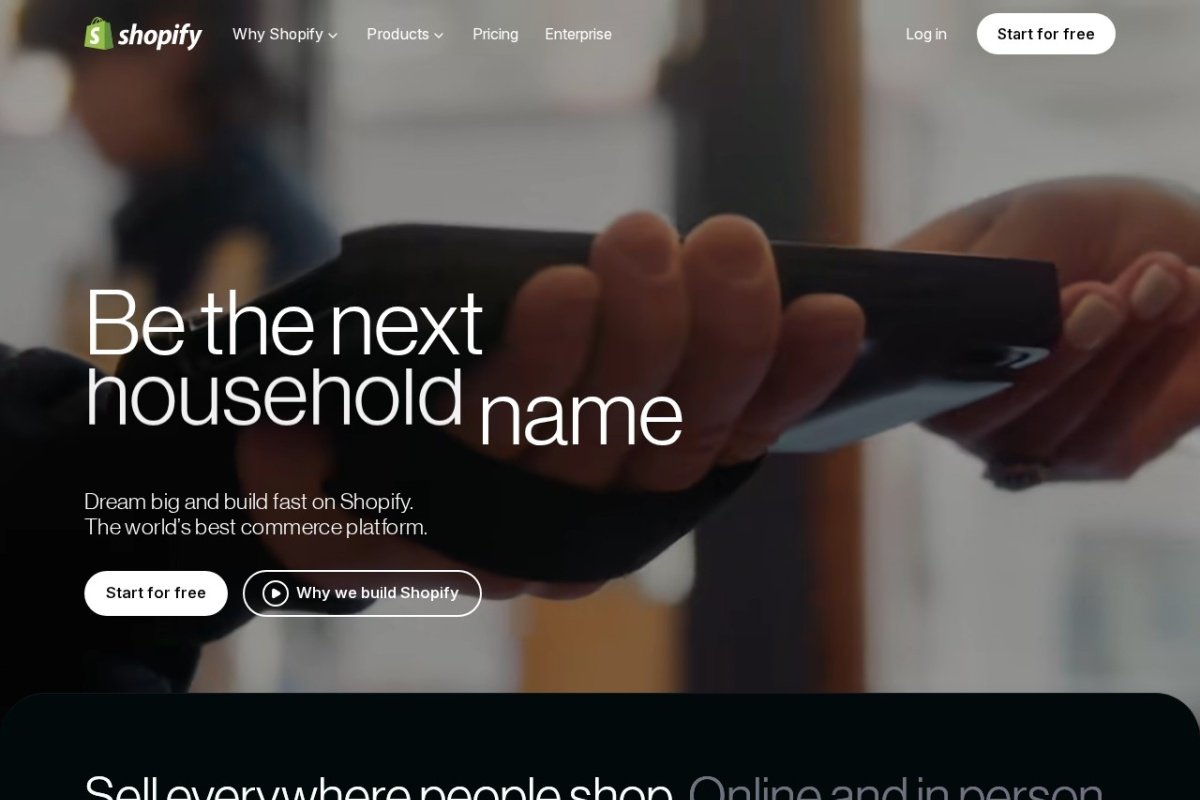
Best for dedicated ecommerce brands.
Strong for:
- DTC brands
- Paid media-led growth
- Product-heavy businesses
- Scaling operations
Pros:
- Stable and secure
- Excellent checkout
- Strong app ecosystem
- Multi-channel selling
- Easy to manage day-to-day
Cons:
- Monthly costs increase with apps
- Less technical flexibility
- SEO structure constraints
If selling products is your core model, Shopify is often the cleanest choice.
WooCommerce (WordPress)
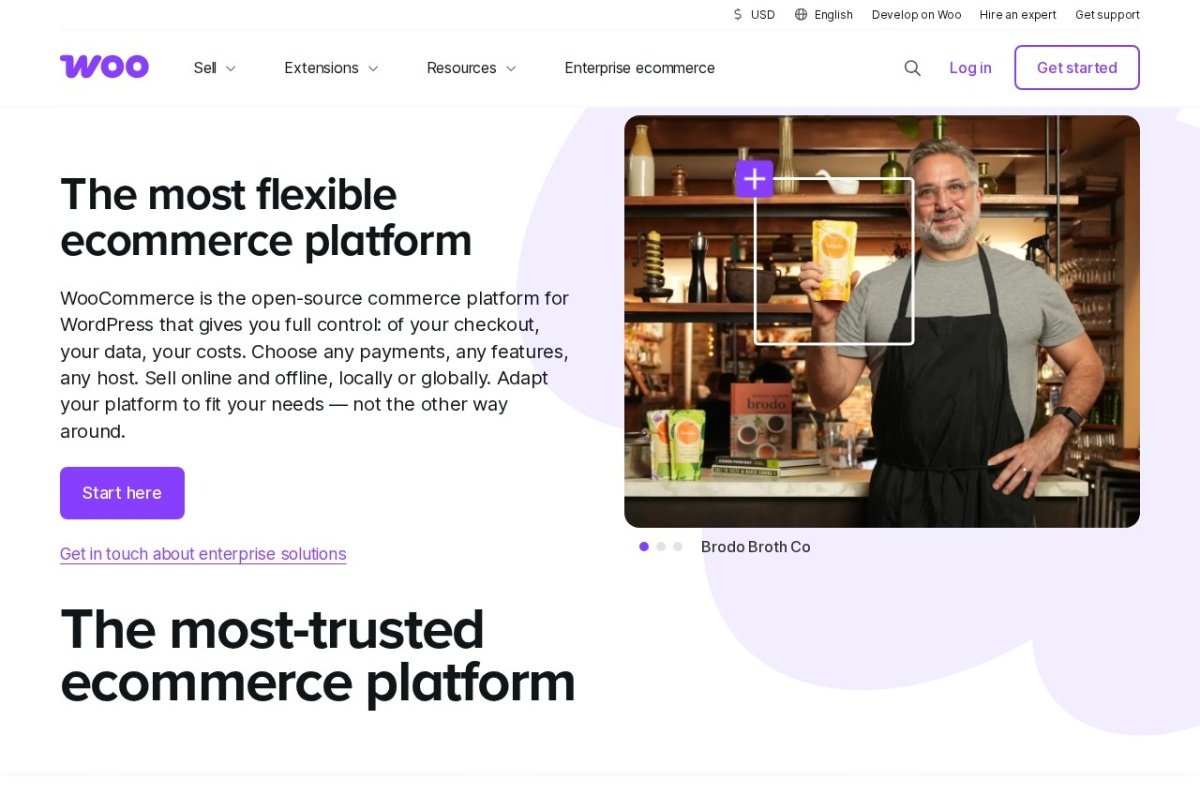
Best for flexibility and SEO depth.
Strong for:
- Content-heavy ecommerce
- SEO-driven stores
- Businesses needing full control
- Custom functionality
Pros:
- Full control of structure
- Deep SEO capability
- No platform lock-in
- Flexible customisation
Cons:
- Requires technical management
- Hosting and maintenance responsibility
- Can become unstable if poorly built
WooCommerce is powerful.
But only if properly structured and maintained.
Squarespace Ecommerce
Best for simple product additions.
Strong for:
- Creators
- Brands
- Service businesses selling a few products
Pros:
- Easy setup
- Clean design
- All-in-one simplicity
Cons:
- Limited scalability
- Basic product management
- Less robust for growth
Good for small catalogues.
Not built for aggressive ecommerce scale.
Wix Ecommerce
Best for early-stage simplicity.
Strong for:
- Small product ranges
- Testing product ideas
- Low complexity stores
Pros:
- Beginner-friendly
- Quick to launch
- Simple management
Cons:
- Limited long-term flexibility
- Can feel restrictive at scale
Often a stepping stone platform.
Quick Comparison
If ecommerce is your core business
Shopify.
If SEO & content drive growth
WooCommerce.
If selling is secondary
Squarespace or Wix.
If you want long-term control
WooCommerce.
If you want operational simplicity
Shopify.
The cost reality (UK)
Do not compare just monthly subscriptions.
Consider:
- App/plugin costs
- Payment processing fees
- Developer costs
- Hosting
- Theme upgrades
- Maintenance
Shopify appears simple, but app costs add up.
WooCommerce appears cheaper but maintenance costs vary.
Total cost depends on the structure.
What actually makes E-commerce work
The platform is not the main driver of success.
These are:
- Clear niche positioning
- Strong product pages
- Compelling offer structure
- Conversion-focused checkout
- Retention strategy (email, SMS)
- Customer lifetime value focus
A weak offer fails on any platform.
A strong offer can win on several.
The biggest mistake
Choosing based on what a friend uses.
Your model may be different.
Your margins may be tighter.
Your growth plan may rely on SEO instead of paid traffic.
Context matters.
The Whito view
What it actually costs (UK, July 2026)
| Shopify | WooCommerce | Squarespace | Wix | |
|---|---|---|---|---|
| Platform, monthly | Basic £19 annual, £25 monthly | Free software, hosting £5 to £30 | From £12, commerce tiers higher | Core £16, Business £25 |
| Card fees | 2% + 25p on Basic with Shopify Payments | Your gateway, Stripe 1.5% + 20p | Transaction fees until higher tiers | Wix Payments 2.1% + 20p |
| Extra gateway fee | 2% on Basic if not Shopify Payments | None | None | None |
| UK VAT handling | Built in | Plugin needed | Basic | Basic |
| Billed in | GBP | GBP for UK hosts | GBP | GBP |
| VAT on subscription | Add 20% | Add 20% | Add 20% | Add 20% |
Ecommerce platform questions UK sellers actually ask
What is the cheapest way to start selling online in the UK?
Shopify or WooCommerce for a small UK shop?
What fees do people forget to count?
How does UK VAT work on these platforms?
Can I move my shop later?
Pick the platform that aligns with your situation. If ecommerce is the engine of the business, choose for scale. If it only supports the business, choose for simplicity. Weigh up your main traffic source, your technical appetite, your growth ambition, and who will manage the site day to day.
Before you decide
Answer:
- How many products will we sell in 2 years?
- Will SEO be a major growth channel?
- Are we running paid ads at scale?
- Who will manage the site daily?
- How complex is our fulfilment?
Your answers quickly narrow the platform choice.
See how real UK businesses do this well
Our Stolen With Pride series breaks down smart marketing moves from real UK businesses. No theory, just practical ideas you can use. See how Surreal Cereal turned LinkedIn into a free marketing channel, how Bloom & Wild’s email opt-out built more loyalty than any campaign, and more.
Pricing reviewed June 2026. Tools change their prices often, so always confirm the current figure on the vendor site before you buy.
Looking for a cheaper route? We priced Shopify, Square Online, Squarespace and WooCommerce on a year of UK card sales, 30 September 2026: cheaper Shopify alternatives in the UK.
Frequently asked questions
Which ecommerce platform is best for a UK business?
For most owners the choice is between a hosted platform like Shopify, which is quick to launch, and a self-hosted option like WooCommerce, which offers more control. If you already run a WordPress site, WooCommerce fits naturally; if you want minimal fuss, hosted wins. The best platform is the one you can keep running without dreading the admin.
How much should I expect to pay to run an online shop?
Hosted platforms charge a monthly subscription starting from around a modest fee, sometimes with transaction fees on top unless you use their own payments. Self-hosted options can look cheaper but add hosting, themes, and plugin costs. Add up the true monthly total, including payment fees, before deciding which is genuinely cheaper.
Can the platform handle UK VAT and shipping?
Good ecommerce platforms handle UK VAT, let you set shipping rates by region, and integrate with couriers. If you sell to the EU, check how the platform manages cross-border VAT and customs. Getting tax and shipping right at setup saves painful corrections once orders are flowing.
Do I need a full ecommerce platform or just a payment link?
If you sell a handful of products occasionally, payment links or a simple buy button may be all you need. A full platform earns its place once you have a real catalogue, stock to track, and regular orders. Structure before scale: start small, and move up to a proper store when the volume justifies it.