
By Jacob Whitmore · Published · Updated
HubSpot has a strong reputation, with polished branding, a background in inbound marketing and an all-in-one pitch. A good reputation doesn’t mean it fits your business, though. The real question is whether HubSpot pays its way at your stage.
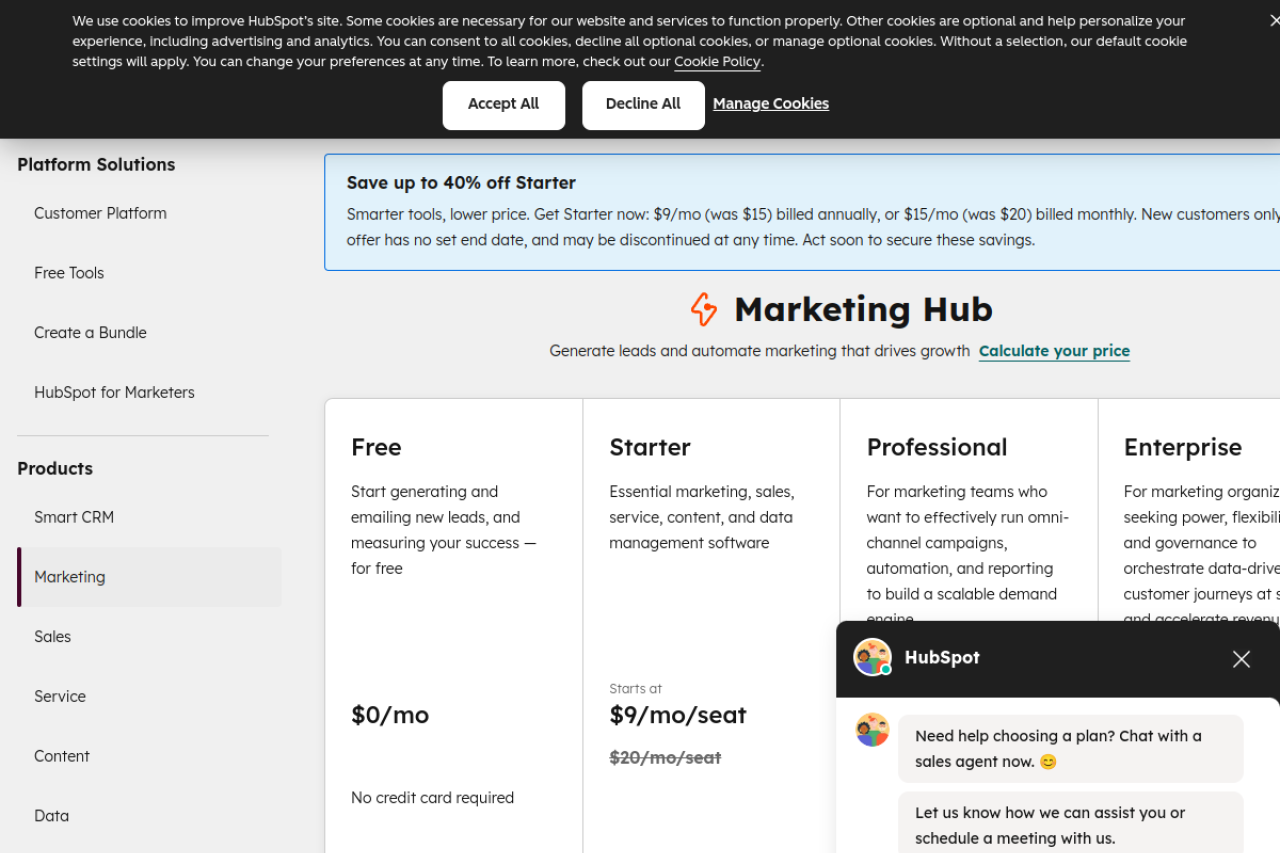
Note: HubSpot free CRM is genuinely useful and costs nothing. The trap is the upsell. Once you start using it, upgrading to paid tiers (starting around £18 per seat per month) feels natural. Set a budget ceiling before you start and stick to it.
The Whito stage check
What HubSpot actually is
HubSpot is more than a CRM. It is a platform combining:
- CRM
- Email marketing
- Marketing automation
- Sales pipeline
- Reporting
- CMS (optional)
It aims to bring marketing and sales into one place. That is its strength, and it’s also what drives the cost up.
Where HubSpot is strong
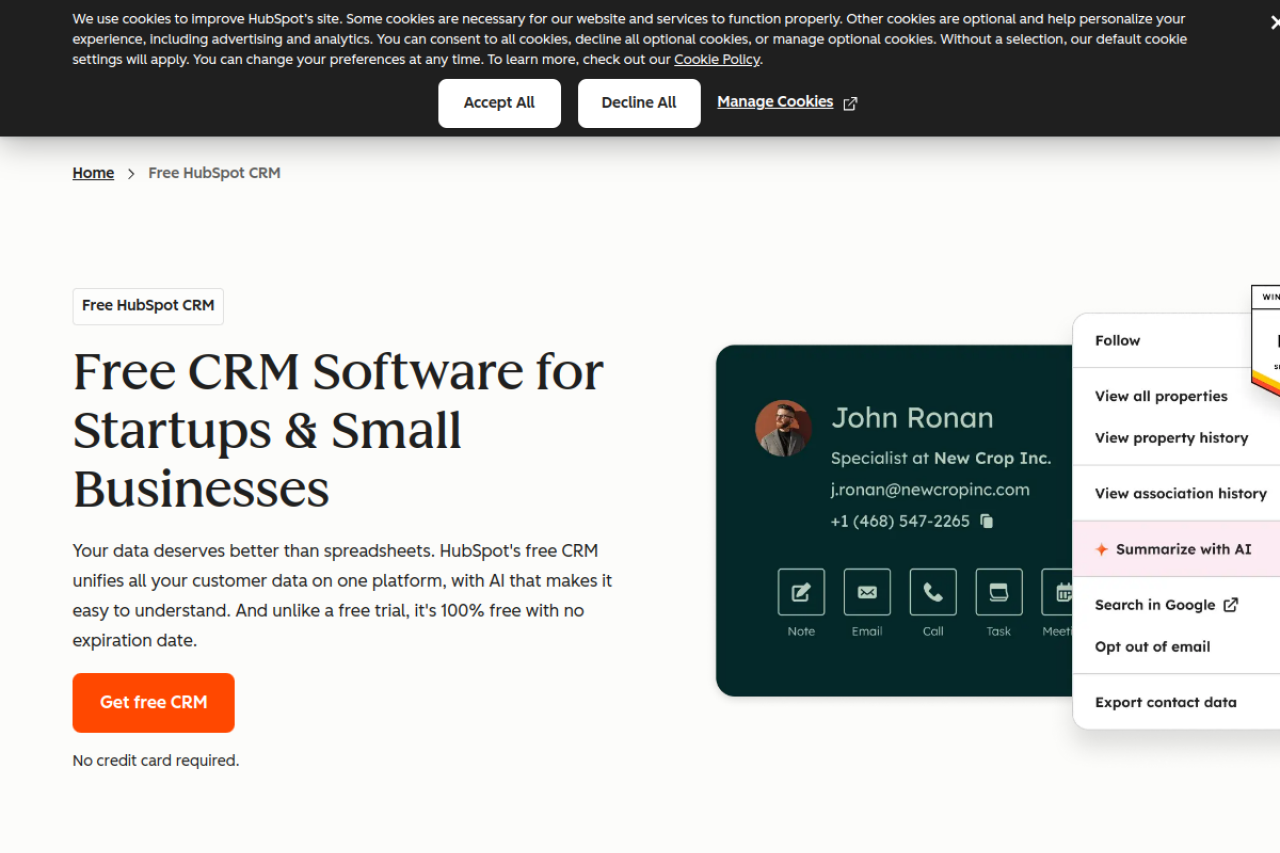
For UK businesses with structured growth plans, HubSpot excels at:
- Aligning marketing and sales
- Tracking leads from source to revenue
- Automating follow-up sequences
- Managing inbound funnels
- Reporting clearly on performance
If you want visibility across the full journey, HubSpot delivers.
The free CRM tier
HubSpot’s free CRM is genuinely useful.
It includes:
- Contact management
- Basic pipeline
- Email tracking
- Limited automation
For early-stage businesses this can be enough, and it gives you structure without a big outlay. As you grow, you’ll often need the paid upgrades.
Where costs increase
HubSpot becomes expensive when you add:
- Marketing automation tools
- Advanced reporting
- Larger contact databases
- Multiple users
- Sales automation features
The Starter tiers are affordable, but the Professional tiers get expensive quickly, and many UK businesses underestimate that jump.
Typical UK cost ranges
Expect roughly:
- Free: £0
- Starter: £18 per seat/month, currently £7 for new customers on a limited-time offer (checked 15 September 2026)
- Sales Hub Professional: £77 to £85 per seat/month depending on billing, plus a required one-off onboarding fee of £1,310 (Enterprise: from £135 a seat and £3,050 onboarding, checked 15 September 2026)
- Professional marketing tiers: £700+ per month, plus onboarding
- Advanced scaling: Several thousand per month
HubSpot is affordable to start with and a serious investment at scale.
Who HubSpot is best for
HubSpot works well for:
- B2B service firms
- Lead-driven businesses
- Agencies
- Professional services
- Companies investing in inbound marketing
It fits naturally if your model relies on:
- Lead nurturing
- Content-driven acquisition
- Pipeline visibility
- Sales team coordination
HubSpot in practice: A UK business example
An illustrative example. Take a Leeds HR consultancy that wins clients through referrals. It has a good reputation and a steady pipeline, but no idea where leads come from, how long they take to close or which services bring in the most revenue. It is working blind.
What HubSpot shows them
They set up the free CRM first.
Within a week, they can see every active lead, where each one is in the sales process, and how long deals are sitting without movement.
The picture becomes uncomfortable quickly. Three warm leads have had no follow-up in six weeks. Two clients came from a LinkedIn post that nobody tracked. The most profitable service line is generating the fewest enquiries.
None of this was visible before. The problem was the lack of structure, rather than the selling.
What they do next
They build a simple pipeline with five stages, set follow-up reminders and tag every new enquiry by source.
Within 90 days, they know which channels are actually working, which services to push harder, and where deals are stalling.
A free tool, used properly, is enough at this stage.
The caveat
HubSpot won’t close deals for you, but it shows you where they are dying.
Someone still needs to own the process, review the pipeline weekly, and act on what the data surfaces. If the CRM gets set up and ignored, nothing changes.
That discipline matters before you spend a pound on the paid tiers.
Where HubSpot may be excessive
HubSpot can be overkill for:
- Very simple sales processes
- Low lead volume businesses
- Founder-led sales without team
- Businesses not investing in inbound marketing
If you get five enquiries a month, you don’t need enterprise automation. Complexity without volume just gets in the way.
HubSpot vs Alternatives
HubSpot vs Pipedrive
HubSpot: Stronger marketing integration.
Pipedrive: Simpler sales pipeline focus.
HubSpot vs Zoho
HubSpot: Cleaner interface, stronger ecosystem.
Zoho: Lower cost, more custom flexibility.
HubSpot vs Salesforce
HubSpot: Easier to implement.
Salesforce: More customisable at enterprise level.
The choice depends on how complex your process is, rather than which brand you recognise.
The adoption risk
The most common way HubSpot fails is that people don’t use it. Businesses buy it, install it and then:
- Fail to define lifecycle stages
- Do not build automation
- Ignore reporting
- Continue using spreadsheets
Software without process discipline fails, whatever the brand.
The commercial test
Before investing beyond the free tier, ask:
- How many leads do we generate monthly?
- Do we need structured nurturing?
- Do we have a sales team?
- Do we track revenue by source?
- Will we actually use automation?
If the answer to most is no, stay lean.
If yes, HubSpot starts paying for itself.
The Whito view
Our reading: HubSpot is powerful, and that power costs money. The free CRM is a real free tier and Starter is cheap at the moment. The cliff is Professional, where seats, contacts and a compulsory onboarding fee stack up. Only climb it when marketing, sales and service genuinely need one system.
Related reviews from Whito
Do you really need HubSpot?
Is HubSpot worth it for a UK business?
It’s worth it when you have structured inbound marketing and a sales team that needs visibility from lead to revenue. For low-lead volumes or founder-led sales, a free CRM or a simpler tool may be enough.
Does HubSpot justify its higher cost?
It can, if automation, reporting, and lifecycle tracking directly support revenue growth. If you’re not using those features fully, the cost escalates without commercial return.
Is the free HubSpot CRM actually useful?
Yes, it provides solid contact management and basic pipeline tracking. Many early-stage businesses can build a structure on the free tier before upgrading.
When should I upgrade to paid HubSpot tiers?
Upgrade when you need advanced automation, clearer attribution reporting, and multi-user sales coordination. If those aren’t operational priorities yet, stay lean.
See how real UK businesses do this well
Our Stolen With Pride series looks at marketing that worked for real UK businesses, and what a smaller firm could copy from it. See how Surreal Cereal turned LinkedIn into a free marketing channel, how Bloom & Wild’s email opt-out built more loyalty than any campaign, and more.
Looking for a cheaper route? We priced HubSpot, Pipedrive, Zoho CRM and Capsule for a five-person team on 30 September 2026: cheaper HubSpot alternatives in the UK.