Last Updated on September 8, 2026
revenue
960K+ Instagram
500K+ TikTok
How one founder’s face built a £24M fashion brand
The move
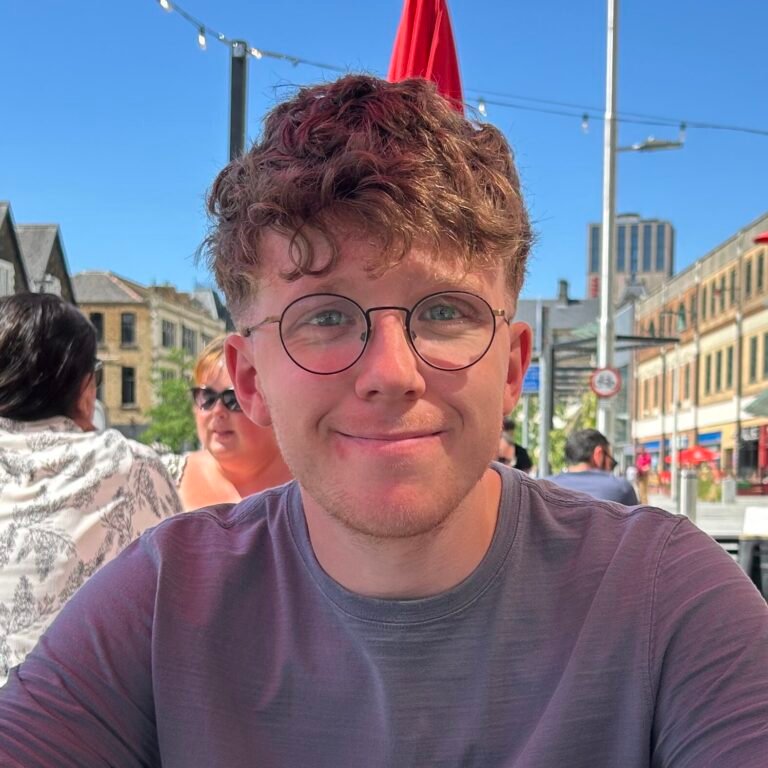
Aimee Smale was 22 when she launched Odd Muse from her bedroom during Covid. She had £12,000 in savings. No investors. No fashion industry connections worth mentioning. She’d just finished a degree in fashion buying and was working as a buyer’s assistant at Asos.
Instead of building a faceless brand with a polished Instagram grid, she put herself in front of the camera. She modelled every piece herself. She filmed the process of building the business. She talked about the hard bits, the stock issues, the days when nothing sold. She documented the reality of starting a fashion brand, not the curated version.
TikTok was growing fast at the time, and Smale used it differently to Instagram. TikTok became the discovery platform, where viral moments brought new customers in. Instagram became the loyalty platform, where deeper brand connection kept them coming back.
Why it worked
The fashion industry is full of brands that hide behind mood boards and art direction. Odd Muse went the other way. Customers felt like they knew Aimee. They weren’t buying from a company. They were buying from a person they followed, watched grow, and rooted for.
The product strategy reinforced this. Instead of launching dozens of styles, Smale focused on one hero product: the blazer. She knew that if she made one exceptional piece, it could become a signature. The blazer drove six figures in revenue in the first three months alone.
When controversies hit, such as accusations of fast fashion pricing, Smale addressed them directly on camera. No PR statement. No corporate response. Just her, talking to the audience, explaining her supply chain and pricing. That transparency built more trust than any carefully worded press release could.
Today Odd Muse has three stores in London and New York, over one million Instagram followers and 500,000 on TikTok. The brand is generating around £24 million in revenue in 2024.
The principle
People buy from people. In a world of faceless DTC brands, putting the founder front and centre creates a connection that no amount of brand advertising can replicate. It also creates a moat. Competitors can copy your product. They can’t copy you.
Founder-led marketing only works when it’s genuine. Smale didn’t perform authenticity. She actually shared the real experience of building a business, including the parts that most founders hide.
Steal this
You don’t need to be 22 or photogenic. You need to be visible.
Show your face. Film yourself talking about your product, your process, your decisions. It doesn’t need to be polished. Phone camera, natural light, honest words. Customers connect with founders who are willing to be seen.
Pick one hero product to lead with. Don’t try to launch a full range. Find the one thing you make better than anyone else and let that be your calling card. Odd Muse built an empire starting with a single blazer.
Use platforms differently. TikTok is for discovery, getting new people to find you. Instagram is for depth, building the relationship with people who already care. Don’t post the same content on both.
Address criticism directly. When something goes wrong or someone calls you out, don’t hide behind a press statement. Talk to your audience yourself. The brands that handle criticism openly earn more trust than the ones that never get criticised at all.
Watch the founder at work
Aimee Smale telling the Odd Muse story herself. This is founder-led content done right.
Sources & further reading
- Odd Muse: Founder-Led Growth and Product-Driven Strategy · Tactic One
- Building a Fashion Empire: Odd Muse’s Blueprint · Fabric Academy
- How Aimee Smale Built Odd Muse Into a Global Fashion Brand · Entrepreneur UK
Where they are now
Forbes reported Odd Muse at around £24 million revenue for 2024, profitable every year with no outside investment. The US now makes up roughly 40% of revenue, there are three stores across London and New York, and founder Aimee Smale signed with talent agency UTA in April 2026.
The Whito verdict
Odd Muse is a case study in what happens when a founder refuses to separate themselves from the brand. Smale’s willingness to be visible, vulnerable, and direct created a level of customer loyalty that no ad budget can buy. The product quality backed it up, but the connection came first.
If you’re a founder hiding behind your logo, consider what you’re leaving on the table. People don’t follow brands. They follow people. Give them someone to follow.
Start Stage
Innocent: How tone of voice built a 75% market share →
Could your brand have a stronger voice?
Check your site free and see where your marketing is connecting, and where it’s falling flat.
Frequently asked questions
How did Odd Muse grow to 28 million pounds in revenue?
Founder Aimee Smale launched from her bedroom during Covid with 12,000 pounds and put herself in front of the camera, modelling every piece and documenting the real, unglamorous process of building the business, mostly on TikTok.
Why did a founder-led approach work?
Showing the honest reality, including the hard parts, built trust and a following that felt part of the journey. A real person telling a real story is more compelling and far cheaper than a faceless, polished brand.
What can a business learn?
If you are the founder, document the journey honestly rather than hiding behind a logo. People back people, and your story is an asset no competitor can copy.
If your business is named here and you think we have a fact wrong, email hello@whito.co.uk and we will check it and correct it. If you want to respond, send us a statement and we will publish it alongside. Full detail: Corrections, right of reply and removals.