
By Jacob Whitmore · Published · Updated
Most UK businesses choose a website builder on looks, which is the wrong place to start. Your website’s job is to win customers, so design comes second to that.
Squarespace is excellent for some businesses and the wrong choice for others. Here is how to tell which you are.


The Whito stage check
What most people do
Most people do the same four things:
- Choose a template
- Change the colours
- Add a few pages
- Hit publish
The result looks polished but rarely brings in work, because there is no clear offer, nothing built to turn visitors into enquiries and no SEO plan. That is a planning problem, not a Squarespace problem.
What Squarespace is actually good at
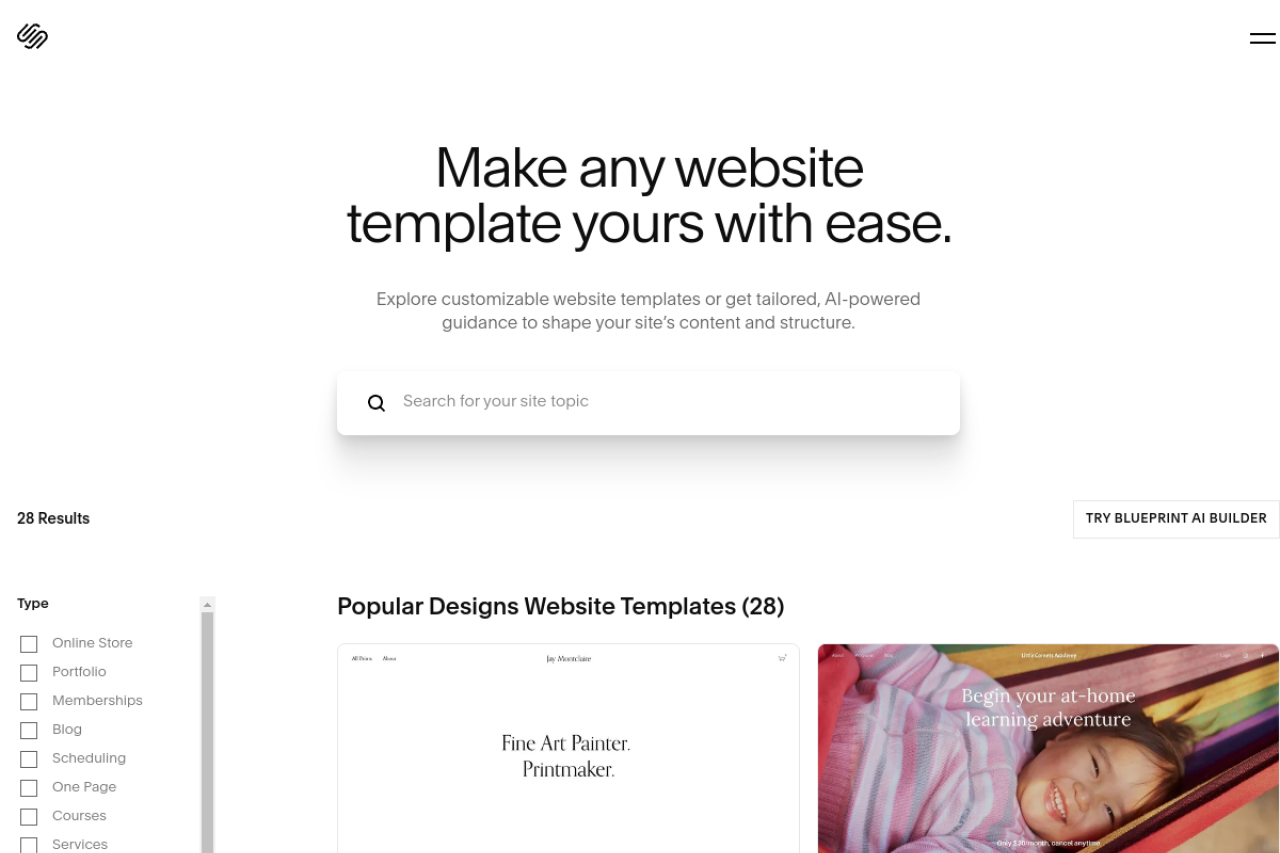
Squarespace is strong when you need:
- Clean, modern design without a developer
- Simple brochure websites
- Portfolio sites
- Basic e-commerce
- Easy content editing
It suits UK businesses such as:
- Photographers
- Interior designers
- Consultants
- Personal brands
- Creatives
- Small service businesses with simple offers
If you want something that looks professional quickly, it delivers.
Where it falls short
Squarespace struggles when you need:
- Advanced SEO control
- Complex lead funnels
- Custom functionality
- Deep integrations
- High level CRO testing
- Multi layer content architecture
If your growth plan depends on:
- Aggressive organic traffic
- Heavy paid traffic
- Multiple service landing pages
- Local SEO dominance
you may outgrow it quickly.
SEO: Can Squarespace rank?
Yes, but only if you build it properly.
The platform gives you:
- Custom page titles and meta descriptions
- Clean URLs
- SSL by default
- Sitemap generation
- Basic schema
What it can’t fix:
- Weak service pages
- Poor internal linking
- Thin content
- No keyword targeting
- Slow strategy decisions
Some Squarespace sites rank well, and some beautiful ones get almost no traffic. The difference comes from how the site is structured, not from the software.
Squarespace in practice: A UK business example
An illustrative example. Take a Brighton-based interior designer who wants a professional online presence. She gets most of her work from referrals and Instagram, needs a portfolio and wants enquiries through a simple contact form. She doesn’t need complex funnels and isn’t planning serious SEO. She needs to look credible, quickly.
What Squarespace shows her
She picks a template, uploads good photos of her projects, adds service descriptions, writes an about page and connects an enquiry form. Within days the site looks polished, modern and professional.
Clients like it, and enquiries rise a little because people can see her work before they call. At her stage Squarespace works, because it takes the technical work off her hands.
What changes as the business grows
Two years later, demand has grown. She has moved into commercial office design, property staging and bigger renovation projects. Now she wants a landing page for each service, local SEO for “interior designer Brighton” and nearby towns, and enquiry forms that sort serious clients from browsers.
That is where the limits show. The blog structure is basic, advanced page customisation is restricted and split testing is limited. Nothing is broken, but her plans are bigger now, and the platform that once felt perfect starts to hold her back.
The caveat
Squarespace won’t decide your positioning, define your offer or plan how you will turn visitors into customers. It gives you a clean framework to build on. If the offer is clear and the business runs on referrals, that is often enough. If the plan is to win a lot of search traffic over the long term and grow across several channels, it may not be. Squarespace makes it easy to look credible, but serious growth needs more than that.
E-commerce on Squarespace
It is good for:
- Low to mid-volume stores
- Simple product ranges
- Digital downloads
- Service packages
It is not ideal for:
- Large catalogues
- Advanced filtering
- Heavy product SEO
- Complex shipping rules
If you are building a serious e-commerce brand, Shopify is usually stronger.
If you are adding products to a service business, Squarespace can be enough.
Pricing (UK)
Squarespace pricing is predictable.
Current UK pricing on annual billing: Basic £12/month, Core £17, Plus £29, Advanced £79. Monthly billing runs higher, roughly £16 to £36 on the main tiers. Prices exclude VAT, and Squarespace renamed its plans in 2024, so older reviews cite Personal and Business tiers that no longer exist.
Hosting and templates are included on every plan, and lower commerce tiers carry transaction fees on sales, which disappear on Plus and above.
There are no surprise plugin fees, which makes it attractive for:
That makes it attractive for:
- Startups
- Solo founders
- Small local firms
It keeps the technology simple, and the price of that simplicity is less flexibility.
Who should use Squarespace
Use it if:
- You want a clean site fast
- You do not want to manage plugins
- Your offer is simple
- You value ease over control
- You are early stage
Avoid it if:
- You are building a high growth SEO machine
- You need custom backend systems
- You want full technical freedom
- You plan complex marketing automation
The real question
The question is whether you need a simple way to look good or real control over your marketing. Most businesses don’t ask it early enough. They pick the tool first and think about growth later, which is the wrong way round.
Our Verdict
Squarespace is:
- Clean
- Stable
- Easy
- Reliable
It is not:
- Highly flexible
- Deeply technical
- Built for aggressive scaling
For many UK businesses, it is a solid starting point.
For serious long term SEO and conversion strategy, WordPress or Shopify often gives more control.
Before you choose
Before you pick any website builder, ask:
- What is the primary goal of this site
- How will we get traffic
- How will we convert visitors
- What will this look like in 3 years
Then choose the platform that supports your plan, not the other way round.
Related reviews from Whito
Squarespace: Common questions before you build
Is Squarespace good for a UK business?
Yes, if you want a clean, professional site without technical complexity. It suits simple service businesses, creatives, and early-stage founders who value ease over deep control.
Can Squarespace rank well on Google?
It can rank if the site is properly structured with clear services, strong content, and effective keyword targeting. The platform allows SEO basics, but it does not replace strategy.
Is Squarespace suitable for e-commerce?
It works well for small to mid-sized stores with simple product ranges. For large catalogues or serious e-commerce growth, Shopify is usually stronger.
Will I outgrow Squarespace?
If your plan includes aggressive SEO, complex funnels, or advanced integrations, you may hit limitations. For straightforward sites with steady growth, it can be sufficient long term.
See how real UK businesses do this well
Our Stolen With Pride series looks at marketing that worked for real UK businesses, and what a smaller firm could copy from it. See how Surreal Cereal turned LinkedIn into a free marketing channel, how Bloom & Wild’s email opt-out built more loyalty than any campaign, and more.