Last Updated on March 30, 2026
Most small UK businesses choose a website builder based on its appearance.
That’s the wrong starting point.
A website is not a design project.
It is a sales tool.
Squarespace is excellent for some businesses.
Completely wrong for others.
Here’s the honest breakdown.


What Most People Do
They:
- Choose a template
- Change the colours
- Add a few pages
- Hit publish
It looks polished.
It rarely performs.
No clear offer.
No conversion structure.
No SEO plan.
That’s not a Squarespace problem.
That’s a strategy problem.
What Squarespace Is Actually Good At
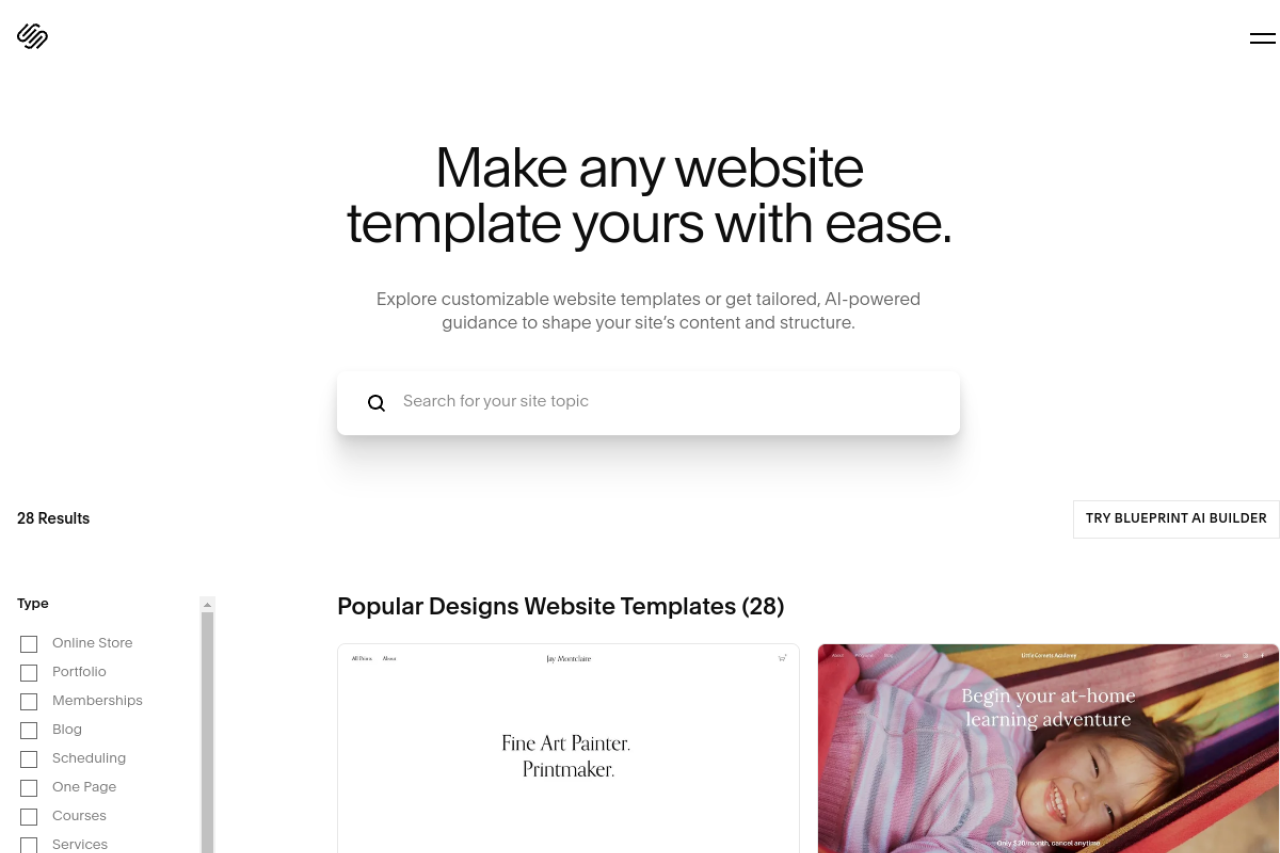
Squarespace is strong when you need:
- Clean, modern design without a developer
- Simple brochure websites
- Portfolio sites
- Basic e-commerce
- Easy content editing
For UK businesses like:
- Photographers
- Interior designers
- Consultants
- Personal brands
- Creatives
- Small service businesses with simple offers
If you want something that looks professional quickly, it delivers.
Where It Falls Short
Squarespace struggles when you need:
- Advanced SEO control
- Complex lead funnels
- Custom functionality
- Deep integrations
- High level CRO testing
- Multi layer content architecture
If your growth plan depends on:
- Aggressive organic traffic
- Heavy paid traffic
- Multiple service landing pages
- Local SEO dominance
You may outgrow it.
Fast.
SEO: Can Squarespace Rank?
Yes.
But only if you build it properly.
The platform allows:
- Custom page titles and meta descriptions
- Clean URLs
- SSL by default
- Sitemap generation
- Basic schema
What it does not fix:
- Weak service pages
- Poor internal linking
- Thin content
- No keyword targeting
- Slow strategy decisions
We’ve seen UK businesses rank well on Squarespace.
We’ve also seen beautiful sites with zero traffic.
The difference is in structure.
Not software.
Squarespace in Practice: A Real UK Business Example
A Brighton-based interior designer wants a professional online presence.
She relies on referrals and Instagram.
She needs a portfolio.
She wants enquiries through a clean contact form.
She does not need complex funnels.
She is not planning aggressive SEO.
She needs credibility.
Fast.
What Squarespace Shows Her
She selects a template.
Uploads high-quality project images.
Adds service descriptions.
Builds an about page.
Connects a simple enquiry form.
Within days, the site looks polished.
Modern.
Minimal.
Professional.
Clients respond positively.
Enquiries increase slightly because prospects can now view work easily before calling.
For her stage, Squarespace works.
It removes technical friction.
What Changes As The Business Grows
Two years later, demand increases.
She expands into:
Commercial office design.
Property staging.
Higher-value renovation projects.
Now she wants:
Dedicated landing pages for each service.
Location-based SEO targeting “interior designer Brighton” and nearby towns.
Stronger lead qualification forms.
She begins to feel limitations.
Blog structure is basic.
Advanced page customisation is restricted.
Split testing is limited.
Nothing is broken.
But growth ambitions are higher.
The platform that once felt perfect begins to feel constrained.
The Honest Caveat
Squarespace does not create positioning.
It does not define your offer.
It does not build a conversion strategy.
It gives you a clean framework.
If the offer is clear and the business is referral-led, that is often enough.
If the plan is long-term SEO dominance and multi-channel scale, it may not be.
Squarespace makes it easy to look credible.
Serious growth requires more than credibility.
E-commerce on Squarespace
Good for:
- Low to mid-volume stores
- Simple product ranges
- Digital downloads
- Service packages
Not ideal for:
- Large catalogues
- Advanced filtering
- Heavy product SEO
- Complex shipping rules
If you are building a serious e-commerce brand, Shopify is usually stronger.
If you are adding products to a service business, Squarespace can be enough.
Pricing (UK)
Squarespace is predictable.
Monthly subscription.
Hosting included.
Templates included.
No surprise plugin fees.
That makes it attractive for:
- Startups
- Solo founders
- Small local firms
It keeps tech simple.
But simplicity limits flexibility.
Who Should Use Squarespace
Use it if:
- You want a clean site fast
- You do not want to manage plugins
- Your offer is simple
- You value ease over control
- You are early stage
Avoid it if:
- You are building a high growth SEO machine
- You need custom backend systems
- You want full technical freedom
- You plan complex marketing automation
The Real Question
Do you need design simplicity.
Or marketing control.
Most businesses do not ask this early enough.
They pick the tool first.
They think about growth later.
That is backwards.
Our Verdict
Squarespace is:
Clean
Stable
Easy
Reliable
It is not:
Highly flexible
Deeply technical
Built for aggressive scaling
For many UK small businesses, it is a solid starting point.
For serious long term SEO and conversion strategy, WordPress or Shopify often gives more control.
Before You Choose
Before you pick any website builder, ask:
- What is the primary goal of this site
- How will we get traffic
- How will we convert visitors
- What will this look like in 3 years
Then choose the platform that supports the strategy.
Not the other way round.
Squarespace: Common Questions Before You Build
Is Squarespace good for a UK small business?
Yes, if you want a clean, professional site without technical complexity. It suits simple service businesses, creatives, and early-stage founders who value ease over deep control.
Can Squarespace rank well on Google?
It can rank if the site is properly structured with clear services, strong content, and effective keyword targeting. The platform allows SEO basics, but it does not replace strategy.
Is Squarespace suitable for e-commerce?
It works well for small to mid-sized stores with simple product ranges. For large catalogues or serious e-commerce growth, Shopify is usually stronger.
Will I outgrow Squarespace?
If your plan includes aggressive SEO, complex funnels, or advanced integrations, you may hit limitations. For straightforward sites with steady growth, it can be sufficient long term.