Last Updated on March 30, 2026
HubSpot has a strong reputation.
Polished branding.
Inbound marketing heritage.
All-in-one positioning.
But reputation does not equal fit.
The real question is:
Is HubSpot commercially justified for your stage?
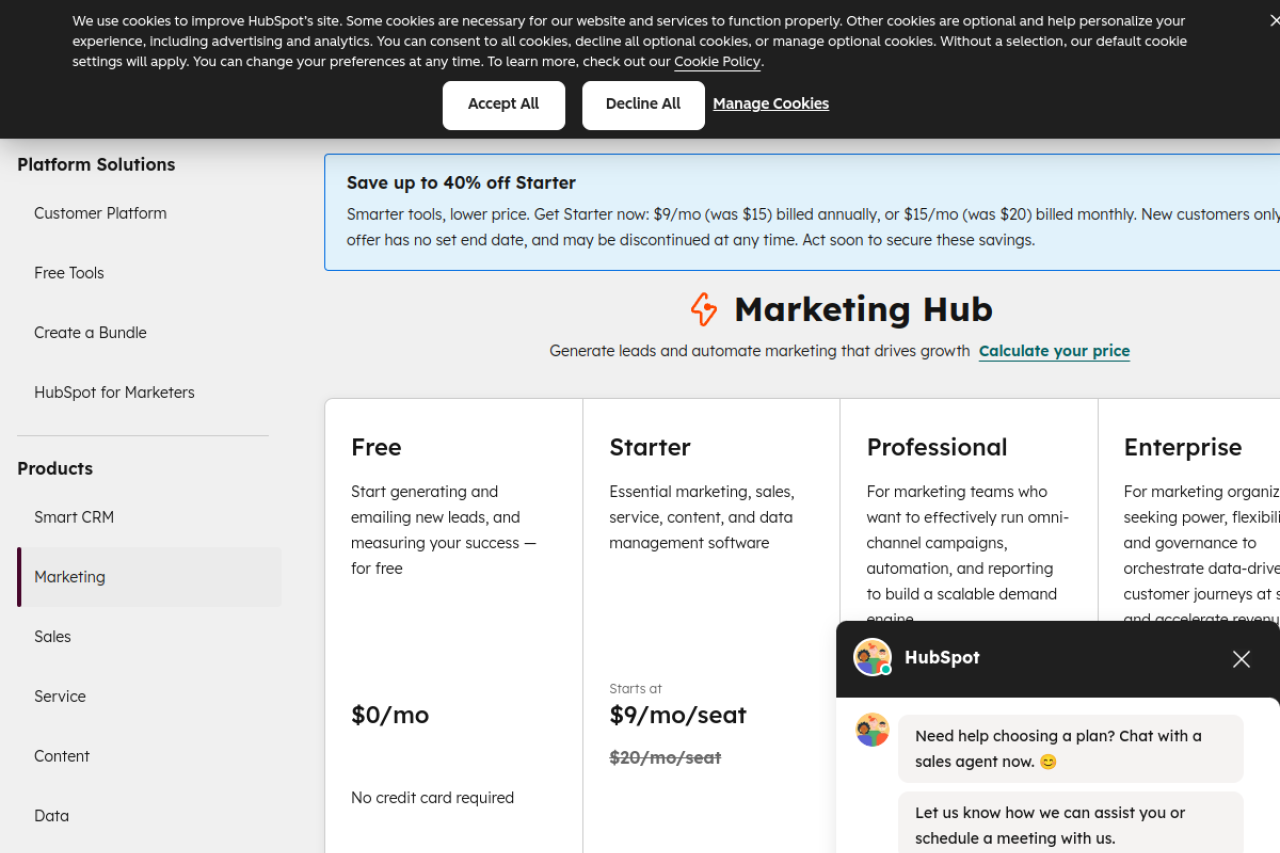
Note: HubSpot free CRM is genuinely useful and costs nothing. The trap is the upsell. Once you start using it, upgrading to paid tiers (starting around £40 per month) feels natural. Set a budget ceiling before you start and stick to it.
What HubSpot Actually Is
HubSpot is not just a CRM.
It is a platform combining:
- CRM
- Email marketing
- Marketing automation
- Sales pipeline
- Reporting
- CMS (optional)
It aims to centralise marketing and sales.
That is its strength.
And its cost driver.
Where HubSpot Is Strong
For UK businesses with structured growth plans, HubSpot excels at:
- Aligning marketing and sales
- Tracking leads from source to revenue
- Automating follow-up sequences
- Managing inbound funnels
- Reporting clearly on performance
If you want visibility across the full journey, HubSpot delivers.
The Free CRM Tier
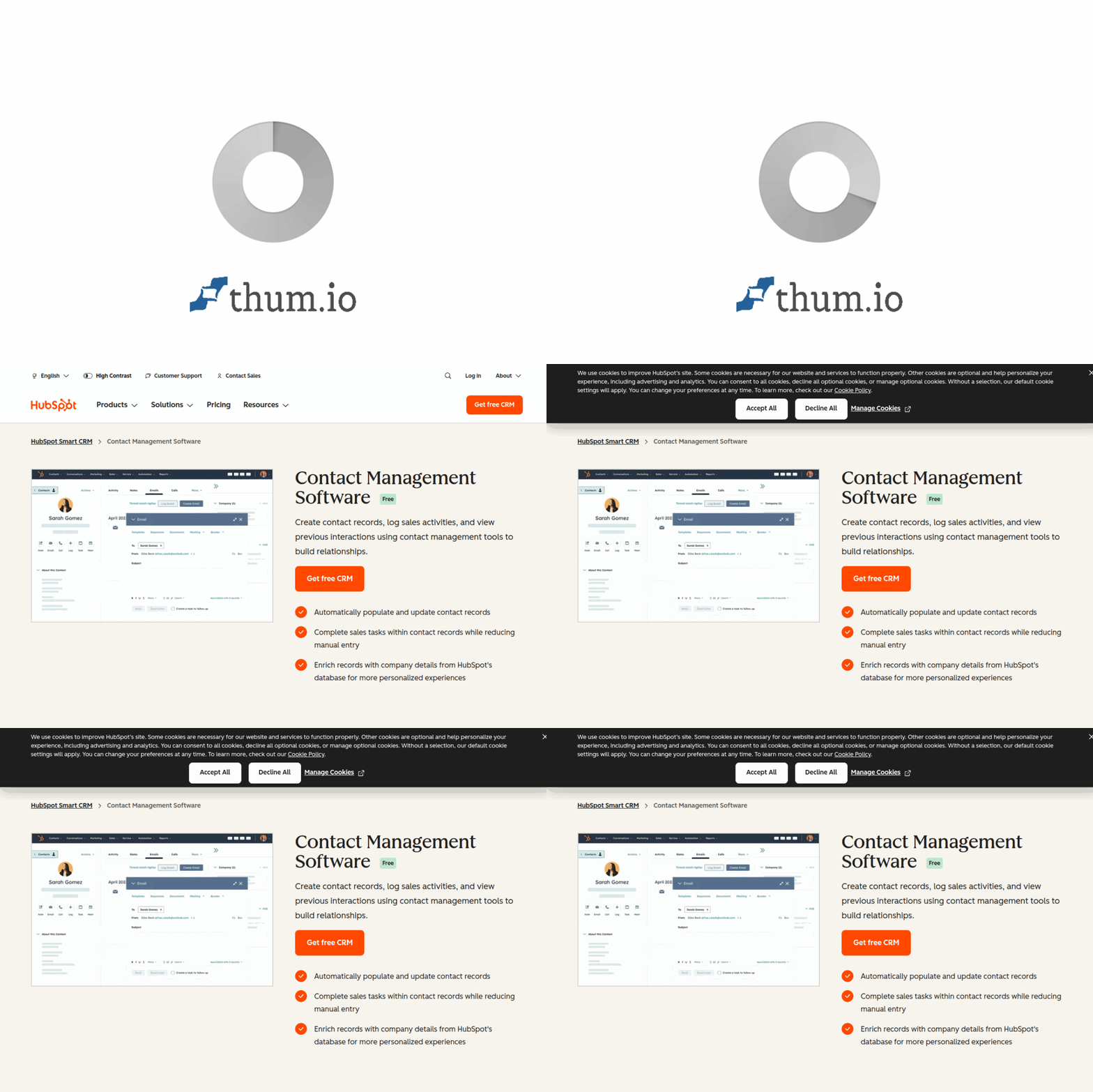
HubSpot’s free CRM is genuinely useful.
It includes:
- Contact management
- Basic pipeline
- Email tracking
- Limited automation
For early-stage businesses, this can be enough.
It allows structure without heavy investment.
But growth often requires paid upgrades.
Where Costs Increase
HubSpot becomes expensive when you add:
- Marketing automation tools
- Advanced reporting
- Larger contact databases
- Multiple users
- Sales automation features
Starter tiers are accessible.
Professional tiers escalate quickly.
Many UK businesses underestimate this jump.
Typical UK Cost Ranges
Expect roughly:
- Free: £0
- Starter plans: £20–£80 per user/month
- Professional marketing tiers: £700+ per month
- Advanced scaling: Several thousand per month
HubSpot is affordable at entry.
Strategic investment at scale.
Who HubSpot Is Best For
HubSpot works well for:
- B2B service firms
- Lead-driven businesses
- Agencies
- Professional services
- Companies investing in inbound marketing
If your model relies on:
- Lead nurturing
- Content-driven acquisition
- Pipeline visibility
- Sales team coordination
HubSpot fits naturally.
HubSpot in Practice: A Real UK Business Example
A Leeds-based HR consultancy is winning clients through referrals. Good reputation. Steady pipeline. But no visibility on where leads come from, how long they take to close, or which services drive the most revenue.
They are flying blind.
What HubSpot Shows Them
They set up the free CRM first.
Within a week, they can see every active lead, where each one is in the sales process, and how long deals are sitting without movement.
The picture becomes uncomfortable quickly. Three warm leads have had no follow-up in six weeks. Two clients came from a LinkedIn post that nobody tracked. The most profitable service line is generating the fewest enquiries.
None of this was visible before.
That is not a sales problem. That is a structural problem.
What They Do Next
They built a simple pipeline with five stages. They set follow-up reminders. They tag every new enquiry by source.
Within 90 days, they know which channels are actually working, which services to push harder, and where deals are stalling.
No expensive upgrade yet. No complex automation. Just clarity from a free tool used properly.
The Honest Caveat
HubSpot does not close deals.
It shows you where they are dying.
Someone still needs to own the process, review the pipeline weekly, and act on what the data surfaces. If the CRM gets set up and ignored, nothing changes.
That discipline matters before you spend a pound on the paid tiers.
Where HubSpot May Be Excessive
HubSpot can be overkill for:
- Very simple sales processes
- Low lead volume businesses
- Founder-led sales without team
- Businesses not investing in inbound marketing
If you generate five enquiries per month,
you do not need enterprise automation.
Complexity without volume creates friction.
HubSpot vs Alternatives
HubSpot vs Pipedrive
HubSpot: Stronger marketing integration.
Pipedrive: Simpler sales pipeline focus.
HubSpot vs Zoho
HubSpot: Cleaner interface, stronger ecosystem.
Zoho: Lower cost, more custom flexibility.
HubSpot vs Salesforce
HubSpot: Easier to implement.
Salesforce: More customisable at enterprise level.
The choice depends on process complexity.
Not brand recognition.
The Adoption Risk
The biggest HubSpot failure is not pricing.
It is underuse.
Businesses buy it.
Install it.
Then:
- Fail to define lifecycle stages
- Do not build automation
- Ignore reporting
- Continue using spreadsheets
Software without process discipline fails.
Regardless of brand.
The Commercial Test
Before investing beyond the free tier, ask:
- How many leads do we generate monthly?
- Do we need structured nurturing?
- Do we have a sales team?
- Do we track revenue by source?
- Will we actually use automation?
If the answer to most is no, stay lean.
If yes, HubSpot becomes leverage.
The Whito View
Do You Really Need HubSpot?
Is HubSpot worth it for a UK small business?
It’s worth it when you have structured inbound marketing and a sales team that needs visibility from lead to revenue. For low-lead volumes or founder-led sales, a free CRM or a simpler tool may be enough.
Does HubSpot justify its higher cost?
It can, if automation, reporting, and lifecycle tracking directly support revenue growth. If you’re not using those features fully, the cost escalates without commercial return.
Is the free HubSpot CRM actually useful?
Yes, it provides solid contact management and basic pipeline tracking. Many early-stage businesses can build a structure on the free tier before upgrading.
When should I upgrade to paid HubSpot tiers?
Upgrade when you need advanced automation, clearer attribution reporting, and multi-user sales coordination. If those aren’t operational priorities yet, stay lean.